Contributors


The European B2B SaaS market is dynamic and competitive, with new trends emerging all the time! While some fade quickly, many stick around and create real opportunities for growth – if you spot them before the competition.
With tech giants and startups alike competing for dominance, staying aware of these trends is key to keeping your business ahead.
That’s why we’ve gathered the top B2B SaaS trends shaping Europe in 2026 that have the potential to drive growth, giving you a clear view of the opportunities worth paying attention to.
The B2B SaaS world moves fast, and what worked yesterday might not cut it tomorrow. That’s why we focus on what’s truly worth knowing. Staying on top of these trends is essential if you want to spot opportunities before everyone else.
This year, Europe’s market is all about smarter, faster, and more intuitive solutions, from AI-powered tools to hyper-personalized experiences.
Here, we break down the key trends you need to watch so you can stay ahead, delight your clients, and make a real impact on your bottom line.
Artificial intelligence (AI) isn’t just “nice-to-have” anymore. It is becoming essential in B2B SaaS products across Europe.

Users now expect platforms to include AI-driven features like predictive analytics, smart recommendations, automated workflows, and data enhancers. Skip AI, and you risk falling behind. Build it in, and you get a real competitive edge.
Embedding AI in your product lets your users work smarter, faster, and more efficiently. Think predictive lead scoring, in-app guidance, or generative insights. These types of features drive adoption, engagement, and retention, turning your product, solution or services into something your customers can’t live without.
Over 70% of SaaS companies are adding AI into their systems, and users are quick to pick platforms that make their lives easier.

As uncle Ben once said: “With great power comes great responsibility.” With the rise in cyber threats, making sure your client’s data is secure is becoming a no1 priority for SaaS companies.
Surveys show that SaaS data is surprisingly vulnerable. Not only that, but more than 52% of ransomware attacks actually succeed on SaaS data, and breaches can damage your reputation overnight. That makes robust security features non-negotiable.
For your product, this means thinking beyond basic protections. Features like end-to-end encryption, granular access controls, multi-factor authentication, audit logs, and compliance with EU regulations are table stakes.
Investing in security does more than protect your users. It becomes a trust signal and competitive advantage, showing prospects and customers that your SaaS product is reliable, responsible, and enterprise-ready.
Security-savvy buyers are more likely to choose a platform that keeps their data safe, which can directly impact adoption, retention, and growth.
Even though the pandemic is long gone, essential market insights show that remote work isn’t going anywhere. This is great news for most SaaS companies, as the need for seamless communication and project management has never been higher!

Collaboration tools like Slack, Microsoft Teams, and Zoom keep evolving, adding features that make virtual teamwork smoother and more efficient.
The trend is clear: businesses expect seamless communication and real-time collaboration as part of their workflow.
For your SaaS product, this is an opportunity to step up your offering. Embedding more collaboration features, enabling real-time interactions, or integrating with popular platforms can make your product more indispensable. Users stay engaged, workflows run smoother, and your platform becomes an integral part of daily operations.
The payoff is twofold. First, stickier products drive higher retention. Second, integration and collaboration capabilities position your SaaS as a central hub in your customers’ ecosystem, giving you a clear competitive advantage.
Low-code and no-code (LCNC) platforms are reshaping how SaaS products deliver value. More businesses want tools they can adapt and extend themselves, without waiting on IT or development teams.
This trend is particularly strong for SaaS companies looking to target:
The LCNC market is growing rapidly, driven by demand for flexible, self-service software that accelerates time-to-value. For SaaS companies already looking into these types of integration, it’s a strategic opportunity.
Integrating LCNC features allows your platform to reach new audiences, reduce onboarding friction, and increase adoption, turning your product into an essential part of your customers’ operations.
PaaS adoption is accelerating across Europe, with the market expected to grow at a CAGR of 26% through 2027. For your SaaS product, this makes PaaS another way to unlock new growth opportunities.
PaaS adoption is accelerating across Europe, with the market expected to grow at a CAGR of 26% through 2027. For your SaaS product, this makes PaaS another way to unlock new growth opportunities.
By allowing customers or partners to build on top of your platform, you can target specific niches or industry workflows, creating highly tailored solutions that meet your clients' needs.
This approach not only drives early adoption in markets competitors may overlook, but also strengthens customer loyalty and long-term retention.
The combination of SaaS and PaaS also opens doors to ecosystem expansion. Customers who customize or extend your platform become more invested, increasing switching costs and making your product harder to replace.
Early adopters in niche segments often set trends that larger competitors follow, giving you first-mover advantage and a clear position as an innovative market leader.
Application programming interfaces (APIs) are the unsung heroes of the tech world. These interfaces let different products work together by sharing vital data. For example, on an e-commerce website, APIs ensure the shopping cart, payment system, and shipping all function seamlessly.
Initially, most SaaS companies relied on third-party APIs to connect their software with customers’ existing systems. While this sped up time-to-market, it often created a fragmented integration landscape.
As businesses increasingly rely on multiple SaaS apps, the need for better integration capabilities is higher than ever. That’s why many SaaS vendors are now developing their own APIs.
If you want to grow your B2B SaaS business in Europe, offering robust API solutions will soon become essential for creating a seamless software experience.

It’s not just us noticing that generic experiences aren’t enough anymore. No matter the industry, users are craving personalization more than ever. And let’s be honest, who doesn’t want to feel seen, heard, and understood?
From Netflix suggesting your next binge worthy serious to Amazon knowing what product you need before you do, personalization is the secret to keeping customers happy.

But we’re talking more than just slapping someone's name on a greeting, it’s about understanding the needs, behavior, and preferences of your clients. Knowing all this is how you deliver an experience that they can resonate with, and will make them keep using your solution.
We’ve touched on niche trends so far (aka PaaS and Low-Code), and vertical SaaS as an upcoming trend only keeps reinforcing why focus wins. Specializing in a specific industry or sector lets your product stand out, reduce competition, and become the go-to solution for that market.
For SaaS providers, this is a major competitive advantage. Targeting a niche helps you differentiate your product, reduce competition, and become the go-to solution for that market.
Clients benefit too. Software built for their workflows solves their problems more effectively, integrates seamlessly into daily operations, and becomes harder to replace.
Adding data-as-a-service (DaaS) capabilities is one of the fastest ways to make your SaaS product stand out in a crowded market. On-demand access to structured data lets your users make smarter decisions, uncover insights instantly, and act faster.
For example, a CRM with integrated DaaS can predict high-converting leads, flag churn risks, or provide real-time market benchmarks – all without clients building their own data infrastructure.
This transforms your product from a tool into a strategic decision-making platform.
Even small implementations can have a big impact. Connecting DaaS to one high-value area, like analytics dashboards or customer insights, can speed up decisions, reduce guesswork, and unlock growth opportunities.
SaaS companies that leverage DaaS effectively deliver more value to customers and leave slower, data-lagging competitors behind.
SaaS is no longer just living in the cloud. IoT integration lets platforms pull in real-time data from sensors, devices, and machinery. This provides smarter automation and actionable insights for your clients.
For SaaS companies, this means your product can help clients prevent downtime, optimize processes, and make faster decisions. Think manufacturing lines predicting maintenance, logistics fleets adjusting routes on the fly, or healthcare apps feeding patient data directly into dashboards.
European SaaS products that embrace IoT are gaining a competitive edge. Connecting digital and physical workflows makes your product more valuable and harder to replace.
Did you know that around 60% of website traffic comes from mobile devices? With more professionals working on-the-go, SaaS platforms will need to adapt and offer better mobile solutions.

We’re not talking about making your platform optimized for tinier screens, it’s about making it smarter. A mobile-friendly interface is a necessity in 2026. Whether your users are checking their emails on the train or approving invoices in their coffee break, they need a seamless experience.
It’s time to embrace the mobile revolution and start creating B2B SaaS solutions that can fit in your client's hand.
Europe is pushing hard on sustainability, and SaaS companies are expected to follow. Green SaaS focuses on eco-friendly software solutions and energy-efficient cloud operations that reduce environmental impact.
SaaS products that integrate sustainability features or help clients track and reduce their footprint are more attractive and build trust. Clients increasingly prefer partners who take action on sustainability.
The way SaaS companies charge for their products is changing fast. Flexible pricing, usage-based billing, and SaaS marketplaces are reshaping how businesses monetize software in Europe.
For SaaS companies, offering customizable pricing plans helps attract a wider range of customers and align costs with value. Usage-based billing allows clients to pay only for what they use, which increases adoption and reduces churn.
SaaS marketplaces are also emerging as a new channel for discovery, letting products reach more potential clients without heavy marketing.
SaaS isn’t just about automating simple tasks anymore. Hyperautomation is stepping in to handle complex, multi-step processes across sales, marketing, and operations – basically taking the boring stuff off your plate.
Imagine your SaaS platform automatically routing leads, triggering marketing campaigns, or syncing tasks across multiple tools without anyone lifting a finger.
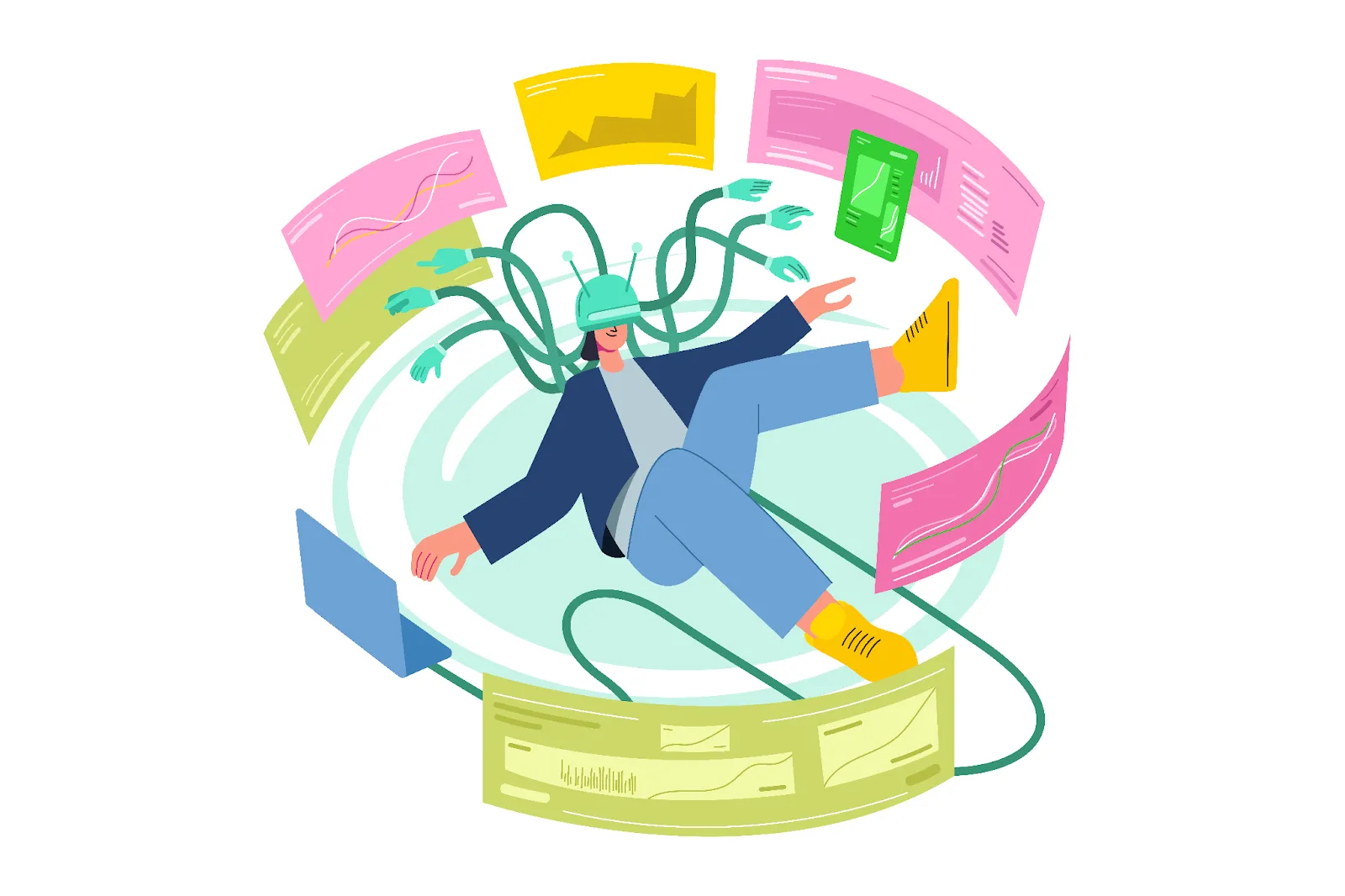
That’s the power of hyperautomation: faster decisions, fewer mistakes, and happier clients.
And it’s not just hype. The European hyperautomation market is growing at around 15% a year, showing that businesses are hungry for smarter, automated workflows. If your SaaS product can tap into this trend, you’re delivering real value that clients notice.
From UGC’s to targeted campaigns, we help your automation capabilities reach decision-makers who care about efficiency.
Once you’ve dipped your fingers into the trends that best fit your SaaS product, it’s time for the next big step: marketing them effectively. Trends only create impact when the right audience knows about them.
At BrainDonors, we’ve seen that even the most innovative SaaS features can fly under the radar if they’re not properly showcased. The winners connect product updates to their audience through targeted campaigns, account-based advertising, content marketing, and smart social strategies.
Highlighting use cases in videos or interactive demos, leveraging LinkedIn for enterprise decision-makers, or running performance-driven PPC to reach intent-driven leads works best for SaaS products that want to stand out.
But keeping up with trends, working on your product and marketing it at the same time can be overwhelming. Let us give you a hand.
While you’re hard at work integrating them into your product, we’ll be hard at work making sure they reach the right audience and actually move the needle.
From AI and IoT integration to green SaaS and vertical solutions, these trends are shaping the future of the European B2B SaaS market. The landscape is evolving quickly, and staying on top of the latest developments is essential for any company that wants to thrive.
Keeping track of all the emerging trends can be overwhelming. That’s where we come in. We monitor the market so you don’t have to, helping your business leverage the right trends at the right time.
Get in touch today to discover how your SaaS company can stay competitive, delight clients, and grow in the European market.
The B2B SaaS market is growing steadily, driven by digital transformation, cloud adoption, and demand for scalable tools. Companies are focusing on AI, customer retention, and innovative pricing to stay competitive, despite rising acquisition costs.
As of 2025, the global B2B SaaS market is valued at around $328 billion and is projected to reach $1.09 trillion by 2032, with a CAGR of 18.7%.
B2B SaaS is moving toward AI integration, modular pricing, stronger customer success focus, and broader platform offerings. The focus is on smarter, more flexible, and customer-centric solutions.
By 2026, the SaaS market will continue growing in Europe and globally. North America’s SaaS market is projected at $211.7 billion, while Germany alone is expected to reach €16.3 billion, reflecting strong demand for cloud solutions.