Contributors


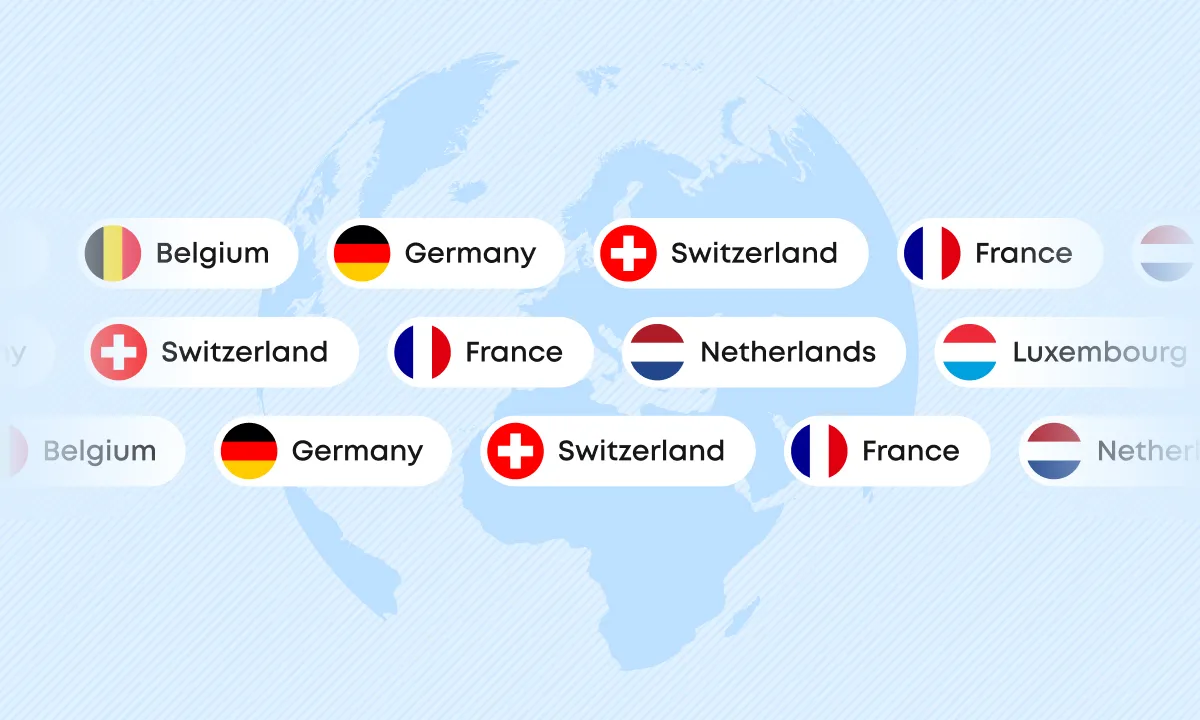
Scaling a B2B SaaS business across Europe is no easy venture. The continent’s diverse market, from cultural nuances to regulatory complexities, poses a complex issue for any ambitious SaaS company.
Today, we’ll unpack some of the biggest challenges scaling B2B SaaS in Europe and how you can tackle them.
Scalability in SaaS refers to a software’s ability to grow and adapt alongside its expanding user base without breaking a sweat.
It’s all about keeping everything smooth, fast, and reliable. That means being able to service multiple clients with diverse needs across all fronts: technical, operational, customer experience, and business.
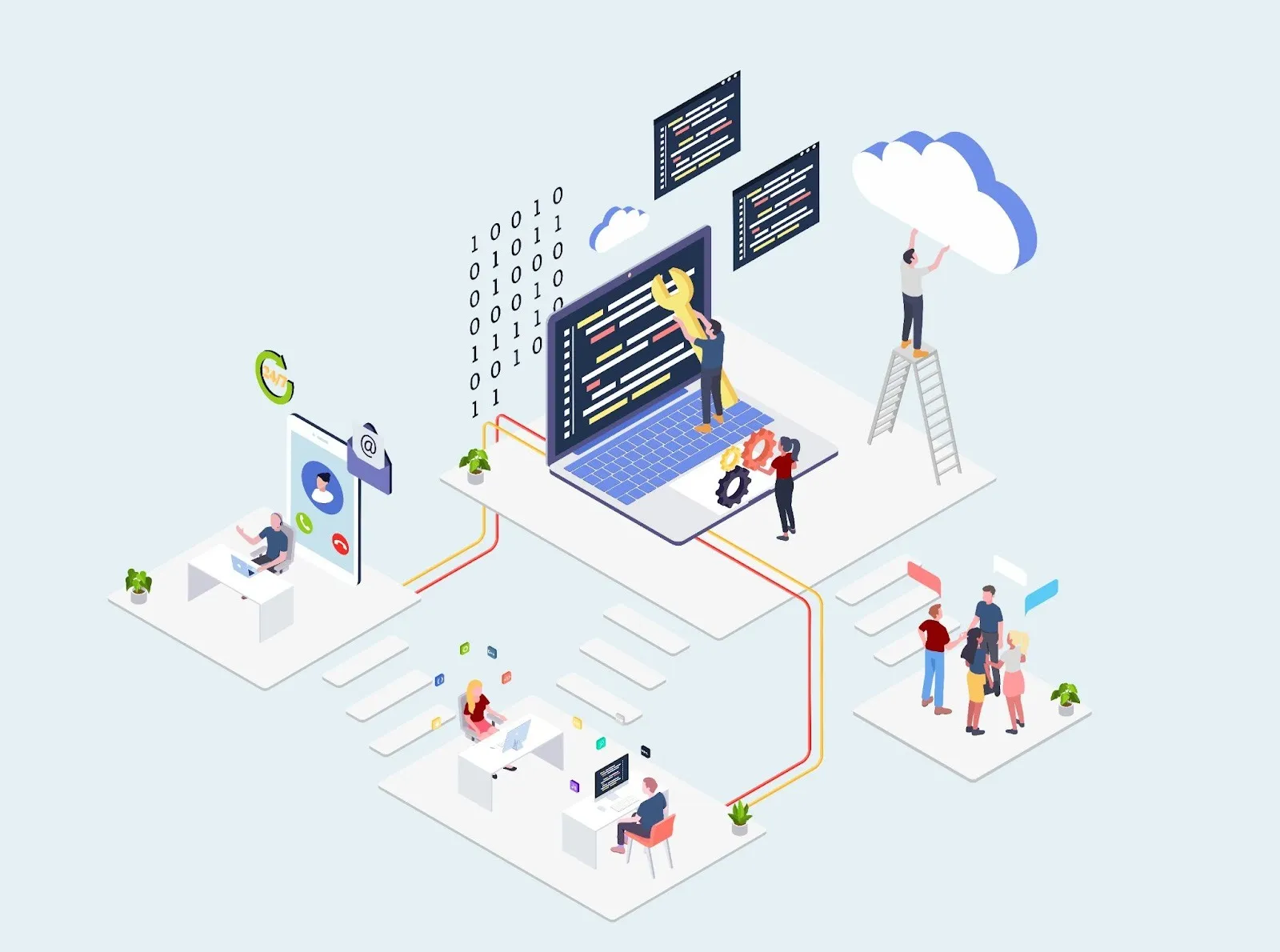
This is all about the software itself. Your infrastructure, servers, and architecture need to handle growth without crashing or slowing down. To make that happen, there are a few key areas to focus on:
Scaling isn’t just about tech. Your processes, workflows, and internal systems need to grow with your company without slowing things down. Here are some ways to this can happen:
Effective marketing gets your product in front of the right eyes. Need expert help?

Growth shouldn’t frustrate your users. Support, onboarding, and day-to-day interactions need to stay smooth, fast, and reliable. This can be achieved by focusing on:
Scaling your company isn’t just about tech and operations. It’s about growing profitably, staying flexible, and being ready to adapt to new challenges. Here are some business strategies to consider:
While you can scale your business anywhere, Europe offers numerous advantages for B2B SaaS companies looking to grow. With tech-savvy crowds and robust economies, Europe could be your ticket to big-league status. This is also why many companies choose to work with a specialized B2B SaaS agency when expanding into competitive European markets.
Scaling up your business isn’t just about getting bigger, it’s also about getting better. Here are a couple of reasons why expanding your B2B SaaS empire is worth it:
As you can see, scaling your business offers numerous advantages, from financial growth to improved customer experience.
Europe is the perfect place for you to turn your SaaS business into a thriving empire. But let’s not kid ourselves. Achieving scalability is easier said than done. Before you build the SaaS empire of your dreams, you’ll need to understand what you are up against.
Imagine Europe as one big puzzle. Each county is a unique piece that fits perfectly into a larger picture. However, scaling across such a fragmented market means creating an individual strategy for each puzzle piece.
This can take a lot of time and resources.
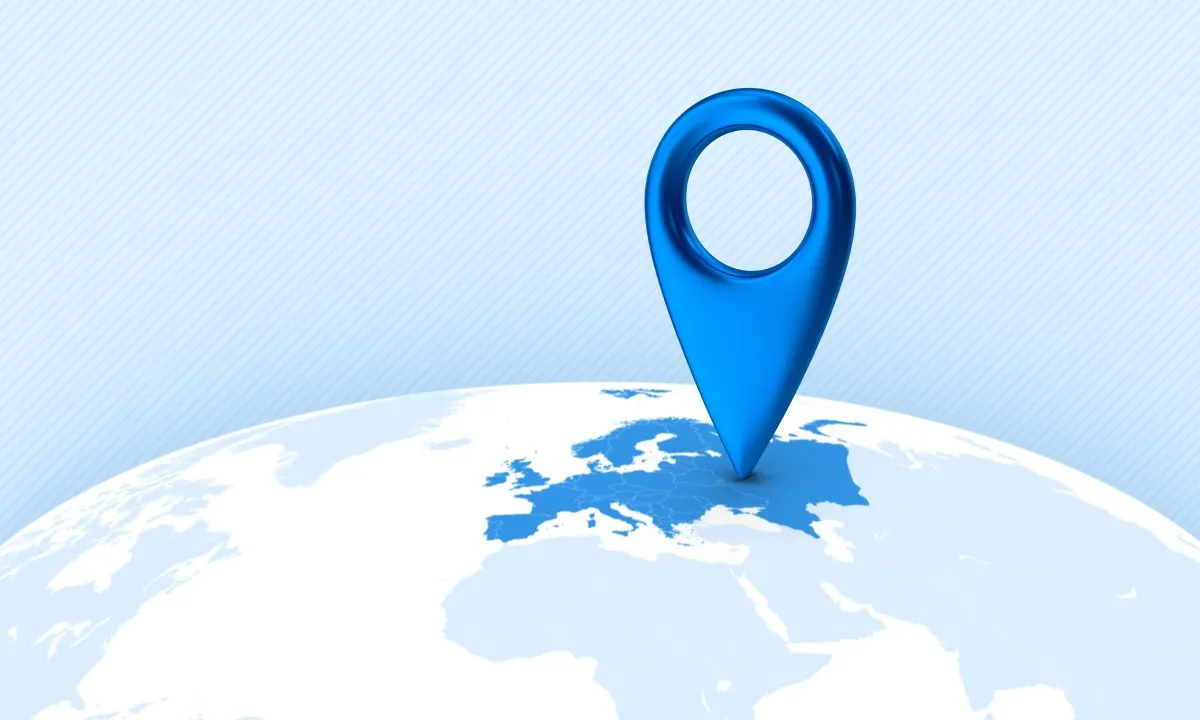
One of the biggest hurdles is navigating Europe’s diverse regulatory landscape.
Every country has its own data protection laws, tax rules, and compliance standards. While initiatives like the Digital Markets Act (DMA) and Digital Services Act (DSA) aim to harmonize some regulations, companies still need to adapt to each market individually to stay compliant.
Language adds another layer of complexity. Marketing, support, and customer communications all need to be localized, which may involve translating content and hiring multilingual staff. Without proper localization, even the best products can struggle to gain traction in new markets.
Cultural differences also play a major role. Local business practices, customer expectations, and regional norms can vary widely across Europe. Understanding these nuances is crucial for building trust, delivering effective onboarding, and creating a user experience that resonates in each market.
Tackling these three fragments is the first step to scaling across Europe. Nail these and you’re one step closer to success.
According to a survey done by Intrinsic, one of the biggest challenges SaaS firms in Europe are facing is finding and retaining new customers.
Due to the varying buyer behavior, finding and keeping customers can be tricky. On one side, Europe’s tech-savvy customers are not as easily impressed, while on the other some Europeans are still suspicious of cloud-based services.
That’s why you’ll need to invest in robust marketing strategies tailored to different regions. Trust us, personalized campaigns, SEO localization, and leveraging cultural nuances can go a long way.
Europeans value the time a brand takes to build a relationship with its customer base. That’s where the secret lies in retaining new customers. Try to attend industry events, participate in online forums, and don’t underestimate the power of mouth-to-mouth marketing.

Europe boasts a growing number of venture capitalists and angel investors. However, securing funding isn’t as easy in comparison to the US. European investors are more risk-averse in comparison to their US counterparts.
On the bright side, many governments offer grants for SaaS companies looking to grow their business. You can also look into other funding options, including partnerships or crowdfunding. While you may need to get creative with your funding, it will be worth it in the long run.
One of the biggest challenges scaling B2B SaaS in Europe is finding the right talent for your company. Europe’s diverse talent pool is both a blessing and a curse. While there are plenty of skilled professionals for you to pick from, attracting and retaining them can be challenging.
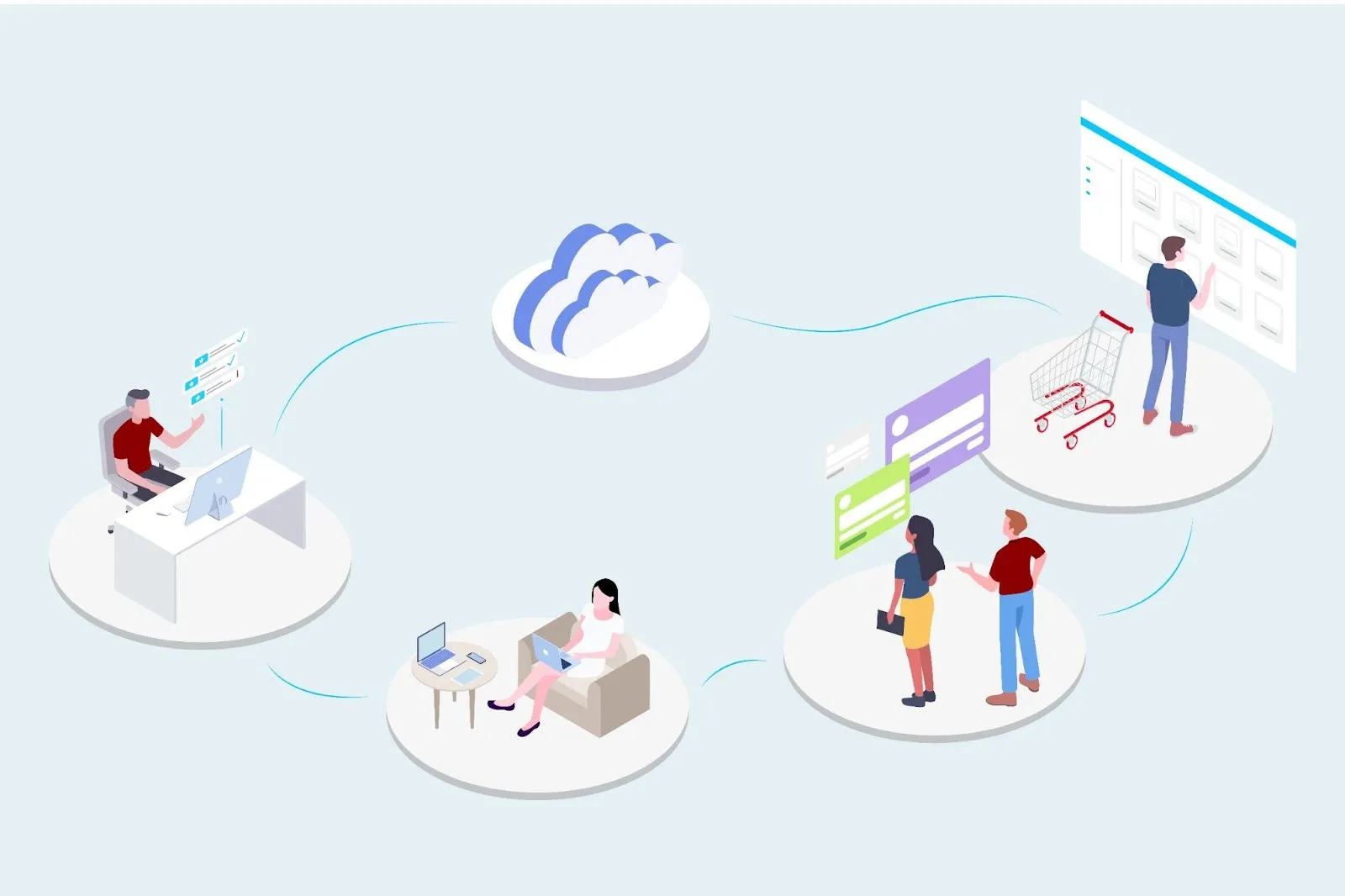
Plus, if you want to grow in multiple countries, local knowledge is your secret weapon. Hiring homegrown local talent gives you a direct line to cracking new markets. They know the culture, the customers, and all the shortcuts. This will save you time, money, and countless headaches.
When it comes to retaining local employees, respecting the local work-life balance is key. Understanding and accommodating cultural norms, like Spain’s traditional siesta, demonstrates your company's commitment to employee well-being and will foster a positive work environment.

If you are planning on scaling your business, your product needs to be ready for it. This means ensuring it’s robust, user-friendly, and adaptable to a variety of markets.

Invest in scalable infrastructure that can handle increased traffic and usage like a champ. You may need to continuously test and iterate your product to catch any potential issues before they become major problems.
A great user experience is also essential for your success. Your product needs to be easy to use and understand for people of all cultures and backgrounds you are trying to target. By considering local preferences and behaviors, you can make sure your product resonates with a wide range of users and drives customer loyalty.
Okay, now that you know all the main challenges of scaling a B2B SaaS firm in Europe, let’s dive into some practical ways to overcome them. Here are some key strategies for growing your SaaS company in Europe:
The future is bright for B2B SaaS companies in Europe.
More and more businesses are recognizing the value of SaaS solutions in enhancing efficiency, reducing costs, and staying competitive. So, the market is expected to steadily grow in the following years.
Emerging technologies like artificial intelligence (AI), machine learning (ML), and blockchain are all opening up new possibilities for innovation in the field of SaaS. Companies that are clever enough to leverage these technologies and keep an eye out on new trends will be able to give themselves a competitive edge.
Check out more essential SaaS market insights for the European market.
These are some of the biggest challenges in scaling B2B SaaS in Europe. But don’t let them scare you! While scaling in Europe isn’t easy, it’s a rewarding endeavor if you do it right!
Remember, the key to successfully scaling your business lies in understanding the market, investing in your local teams, and continuously innovating your product.
If you’re ready to take your B2B SaaS to the next level, we can help you out! Together we can help your business grow all over Europe, just give us a call.
The future of B2B SaaS is focused on AI-driven automation, personalized customer experiences, deeper integrations with business tools, and global scalability. Companies that leverage data insights and flexible cloud infrastructure will lead.
B2B SaaS marketing is the practice of promoting software solutions to other businesses. It focuses on lead generation, customer education, and demonstrating ROI through strategies like content marketing, email campaigns, and account-based marketing.
B2B SaaS (Business-to-Business Software as a Service) is cloud-based software sold to other businesse. Examples include CRM tools, marketing automation platforms, collaboration software, and project management apps.
Identify a business problem, validate it with potential users, build a minimum viable product (MVP), implement subscription-based pricing, and focus on customer acquisition and retention through marketing and support.